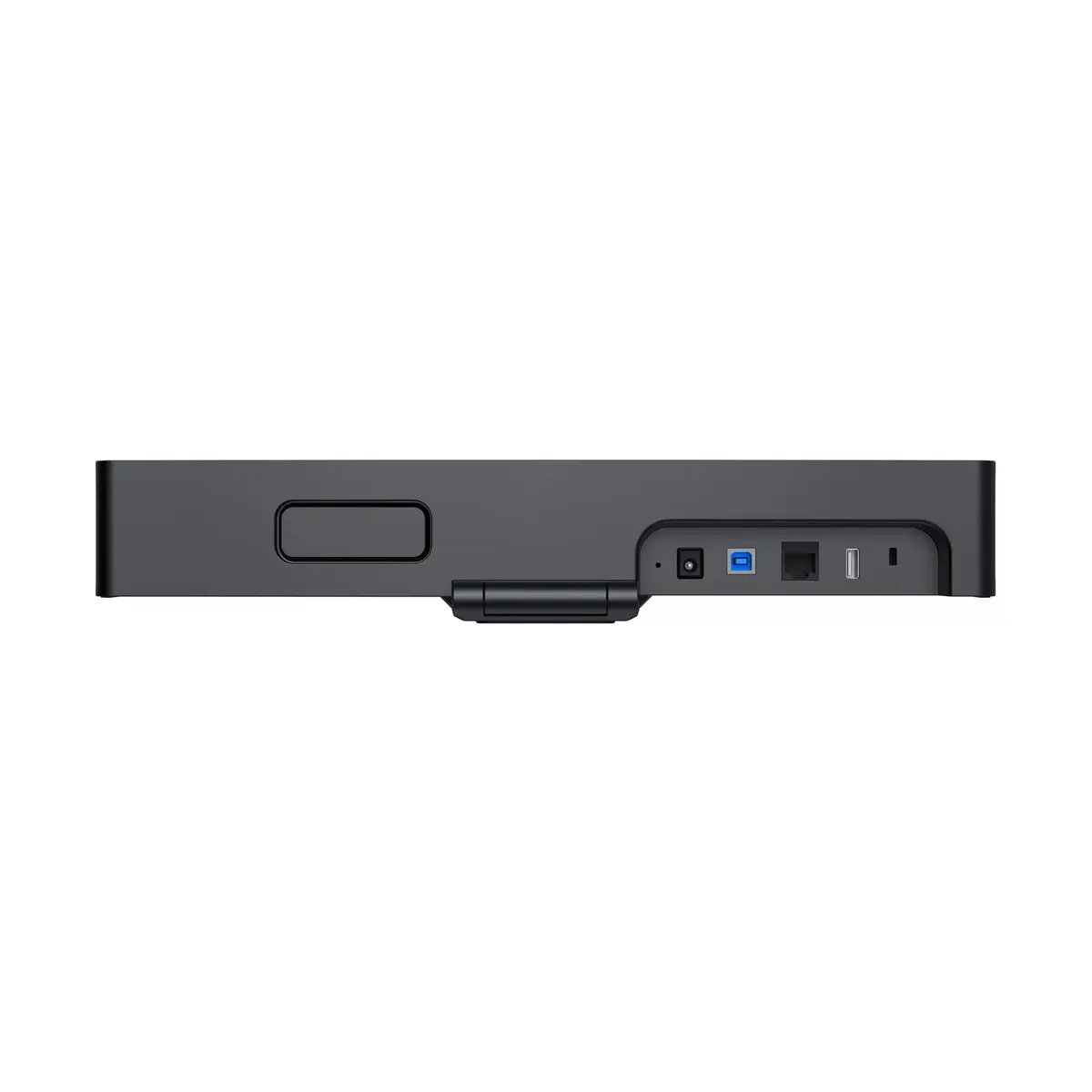
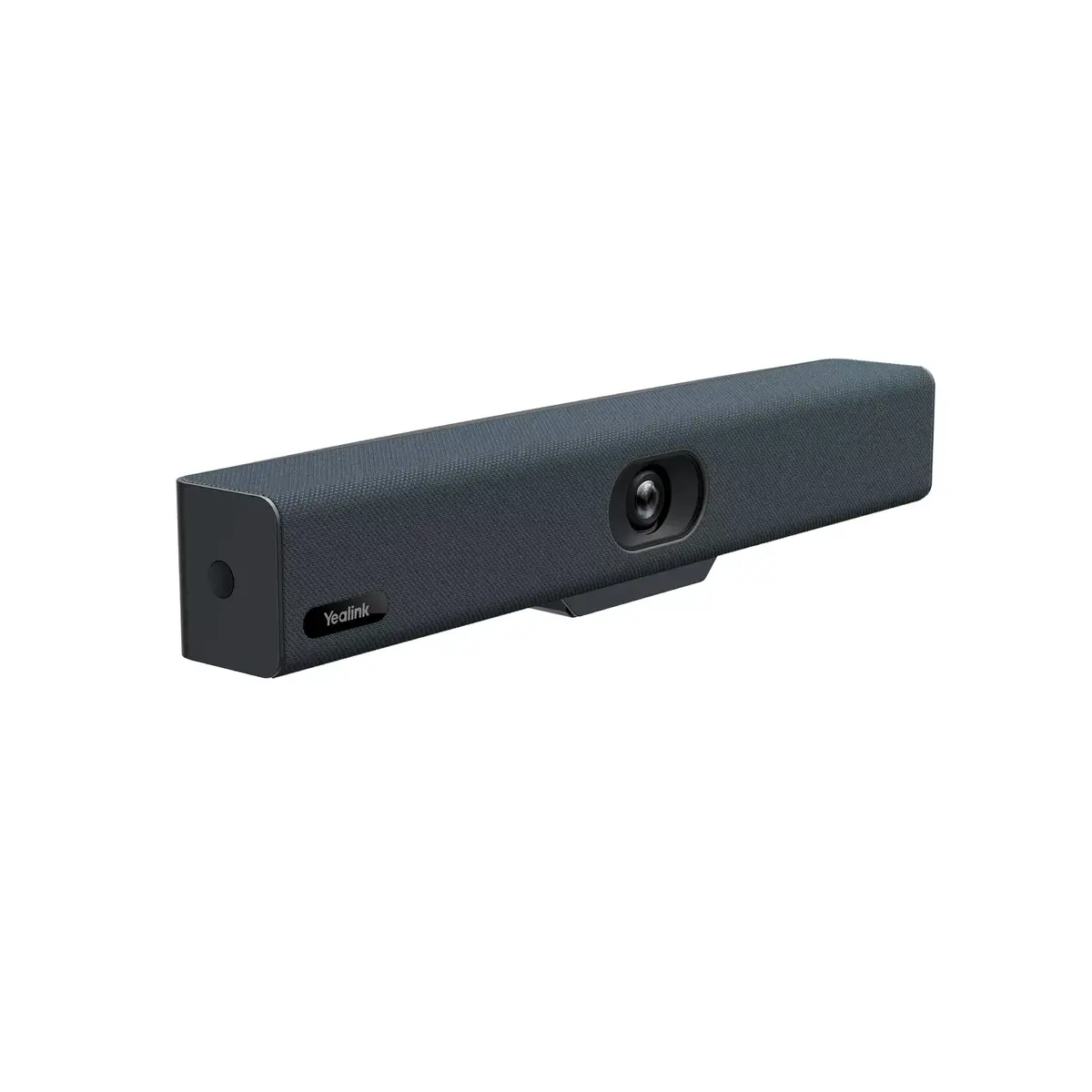
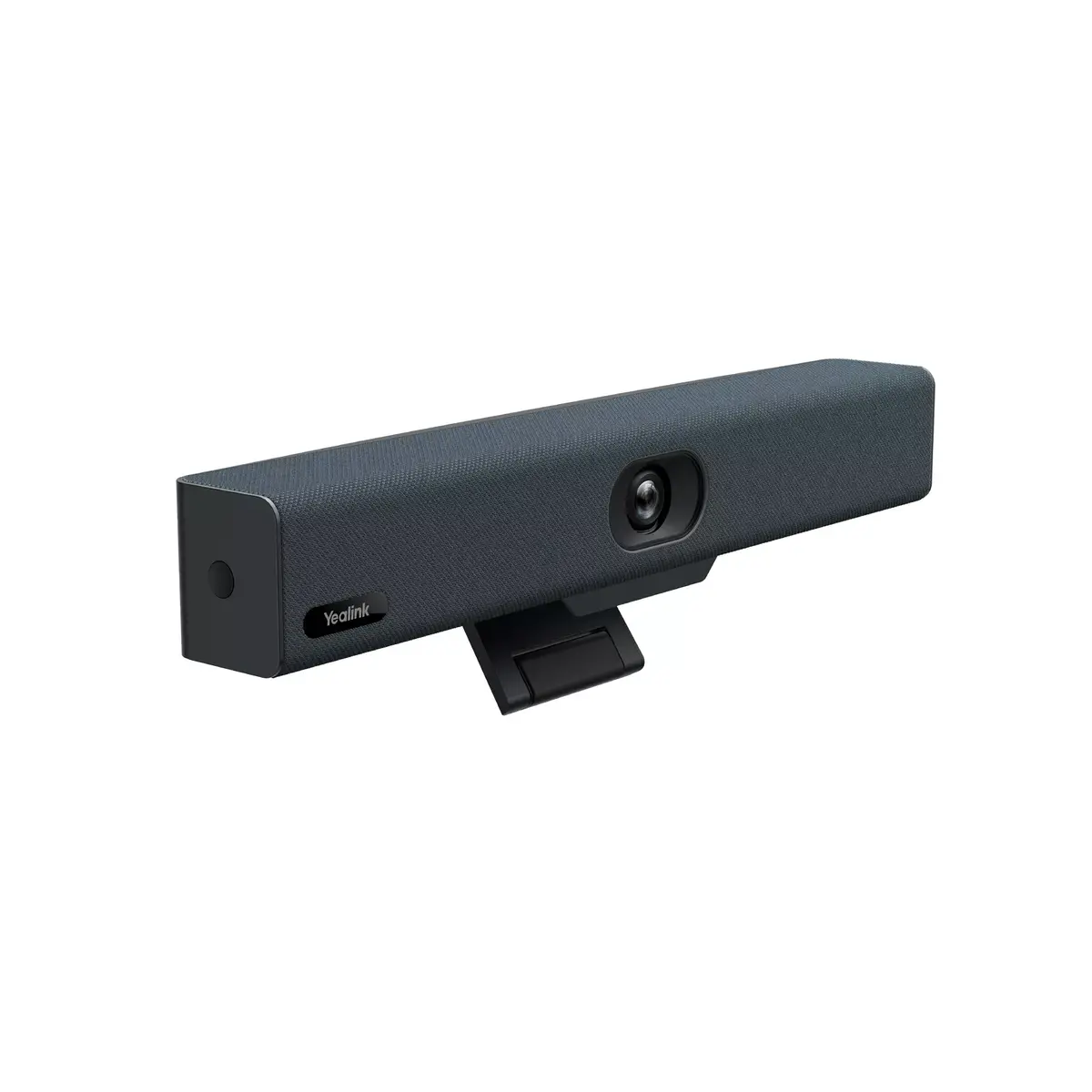
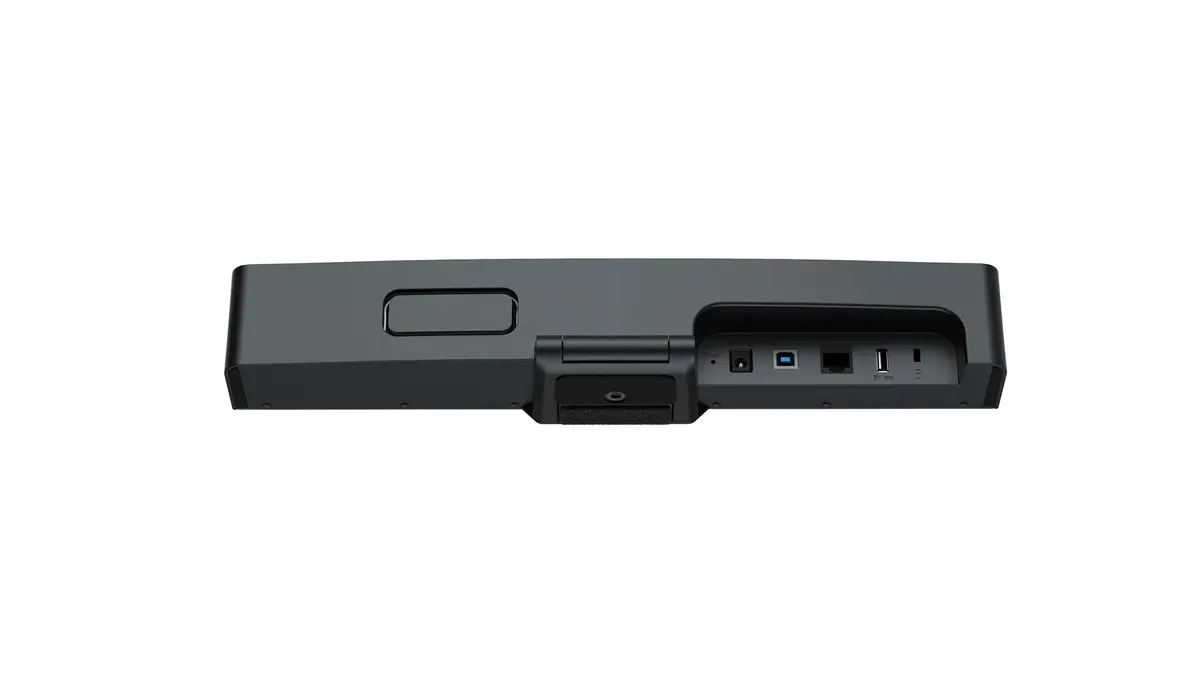
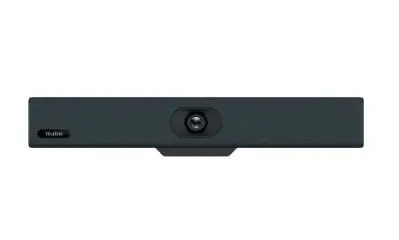
-
Aspect ratio:
The aspect ratio is the ratio of the width of a shape to its height. For example, 4:3 is common for standard displays and 16:9 is the ratio for Widescreen TV.
-
16:9
-
Megapixel (approx.):
The number (in millions) of light-sensitive picture elements known as pixels actually used by the camera's image sensor (CCD) to record light, and which are reflected to the final number of recorded pixels stored on the memory card.
-
8 MP
-
Sensor type:
A sensor is a convertor than measures a physical quality (light, temperature etc.) and displays this electronically on a device.
-
CMOS
-
Speaker power:
-
5 W
-
Microphone in:
The socket where a microphone is connected to the device.
-
Yes
-
DC-in jack:
The socket/plug where the DC electricity supply connects to the device.
-
Yes
-
Built-in speaker(s):
The device contains speaker(s) to produce sound.
-
Yes
-
Resolution at capture speed:
-
3840x2160@30fps
-
Wi-Fi:
Popular technology that allows an electronic device to exchange data or connect to the internet wirelessly using radio waves.
-
Yes
-
Supported graphics resolutions:
The graphic resolutions that can be displayed by the device. The graphic resolution describes the width and height dimensions of a display, such as a computer monitor, measured in pixels.
-
3840 x 2160
-
Supported video modes:
The video modes that can be displayed by the device.
-
2160p
-
DC output current:
-
0.7 A
-
Microphone pick-up range:
-
4.5 m
-
Maximum frame rate:
This is the maximum frame rate, also known as frame frequency and frames per second (FPS). It is the frequency (rate) at which an imaging device produces unique consecutive images called frames. The term applies equally well to film and video cameras, computer graphics, and motion capture systems. Frame rate is most often expressed in frames per second (FPS) and is also expressed in progressive scan monitors as hertz (Hz).
-
30 fps
-
Camera type:
There are a number of common types of digital cameras: compact cameras, bridge cameras, mirrorless interchangeable-lens cameras (MILC) and single lens reflex (SLR) cameras. Bridge cameras 'bridge the gap' between the low-end compact and high-end professional (SLR) cameras. Also MILCs populate this mid-segment by combining the larger sensors and interchangeable lenses of DSLRs with the live-preview viewing system of compact cameras.
-
Single camera
-
Mounting kit:
-
Yes
-
AC input voltage:
The voltage of the AC electricity that is inputted into the product.
-
100 - 240
-
Field of view (FOV) angle:
-
120 °
-
Number of cameras:
The quantity of cameras that product can support.
-
1
-
HD type:
Type of supported High Definition (e.g. Full HD, 4K Ultra HD).
-
4K Ultra HD
-
Number of camera presets:
-
9
-
DC output voltage:
-
48
-
Number of microphone arrays:
-
1
-
Auto framing:
-
Yes
-
Reset slot:
-
Yes